Building our Global Muslim Future - Ideas, Prayer, and Charity in 4 Parts - Sat. May 16th
The Global Muslim Weekly #5
It may seem that this is a hard time to think about the future because so much of what is ahead of us in the coming months and years is completely unknown. Cities are slowly starting to open up, perhaps prematurely in some places, sports leagues are rushing to come back, and so many want just to return to what they considered to be “normal” before this all happened. As an example of this, National Football Leauge (NFL) ticket sales are up 234% compared to last year, despite no one knowing if the season will be played at all.
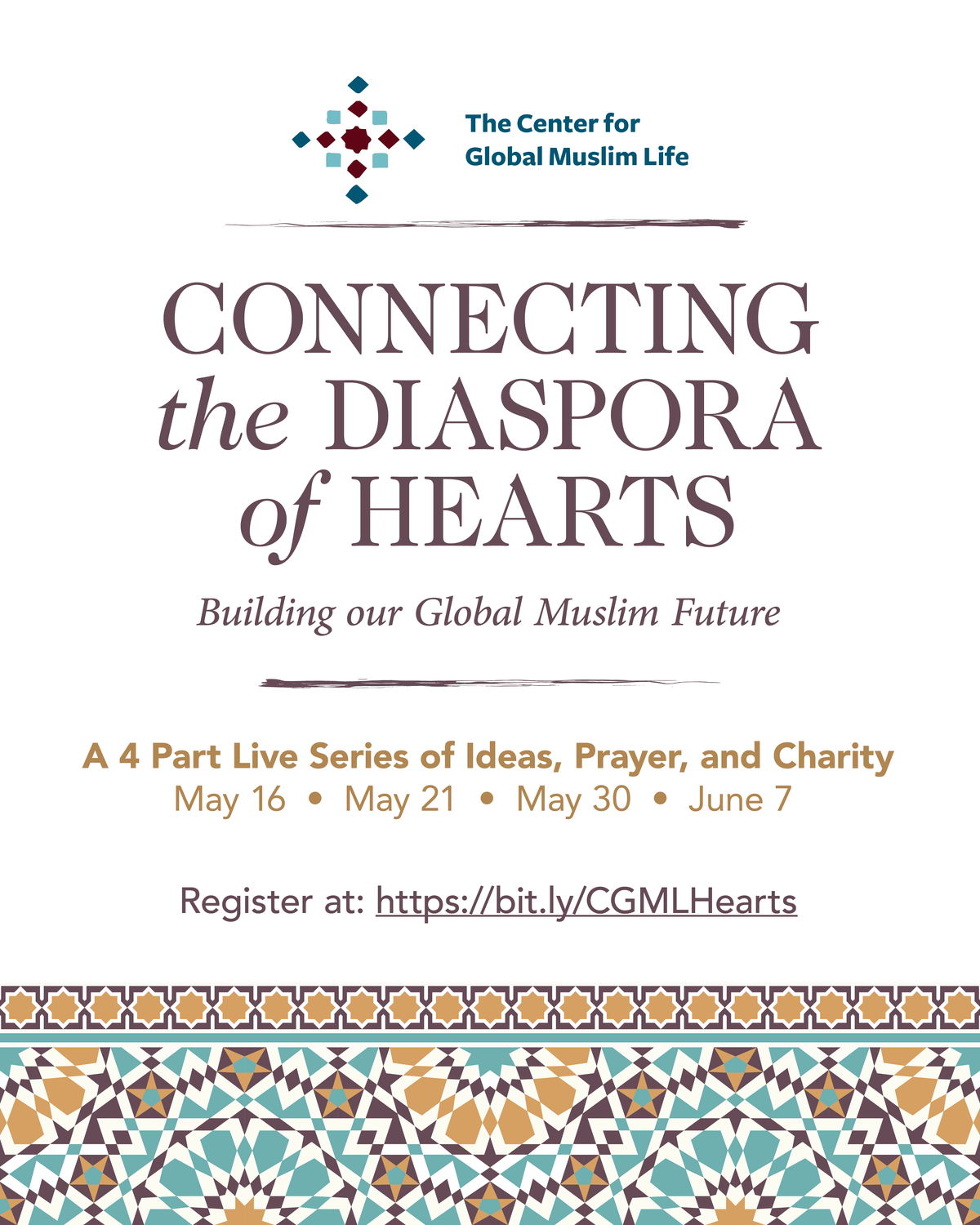
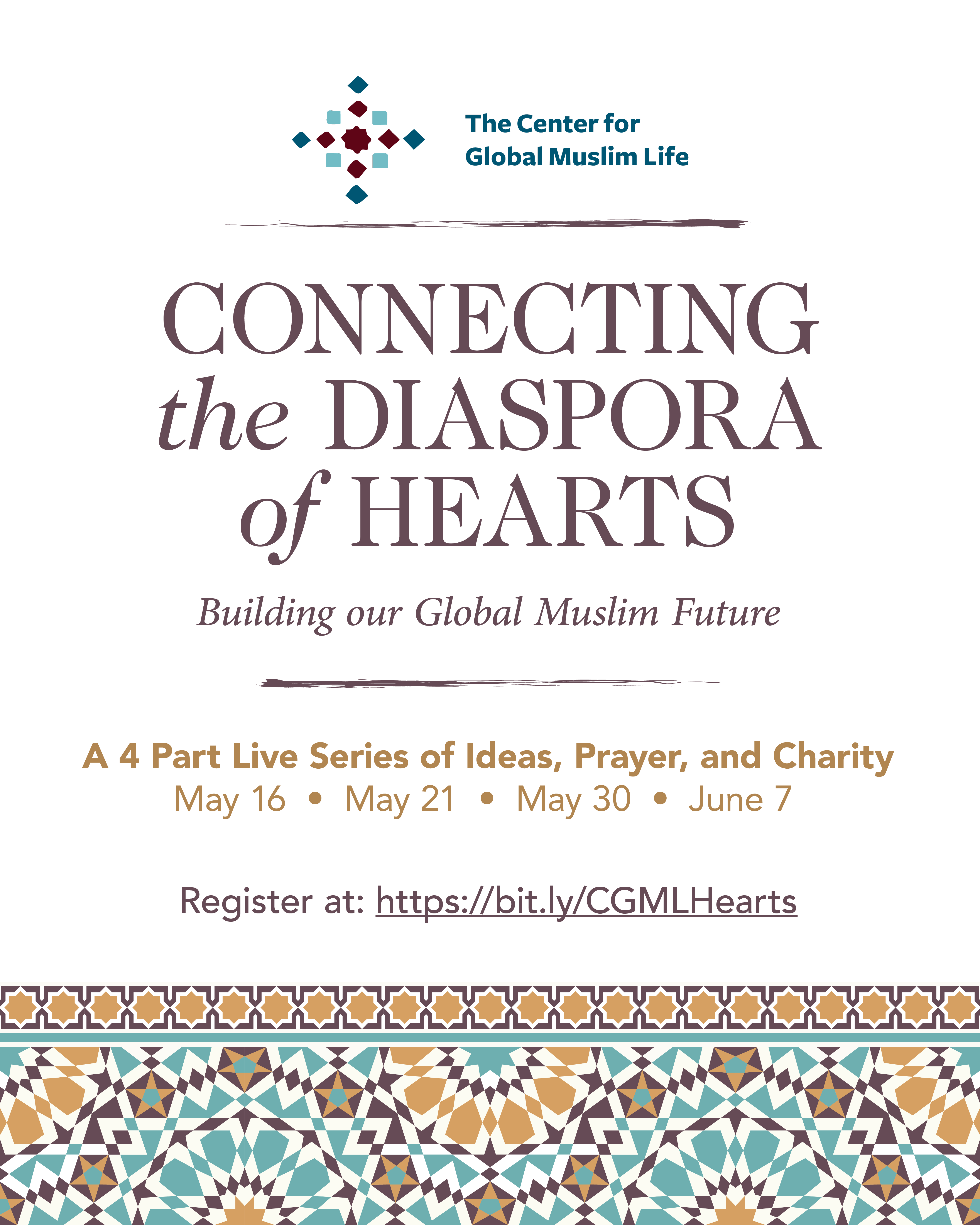
However, this may be the best time to be thinking about the future because it is so clear that the world that was built around us is unsustainable. This is why we have gathered some of the best thinkers in our global community to think together about the future in our four-part series (Program dates are: May 16, 21, 30, and June 7th) Connecting the Diaspora of Hearts - Building our Global Muslim Future series.
In this time it is more important than ever that Muslim communities are able to connect with each other around the world and learn best practices from each other in times of crisis. With this in mind, the Center for Global Muslim Life is organizing a series of symposia with global Muslim institutions, thinkers, religious scholars, medical professionals, artists, and people making social impact around the world. The first symposium will take place over 4 parts through the end of Ramadan and the Eid holiday, "Connecting the Diaspora of Hearts - Building Our Global Muslim Future."
Part 1 on May 16th, 3-5 pm PST will include:
Imam Muhammad Khan - Qur’an Recitation
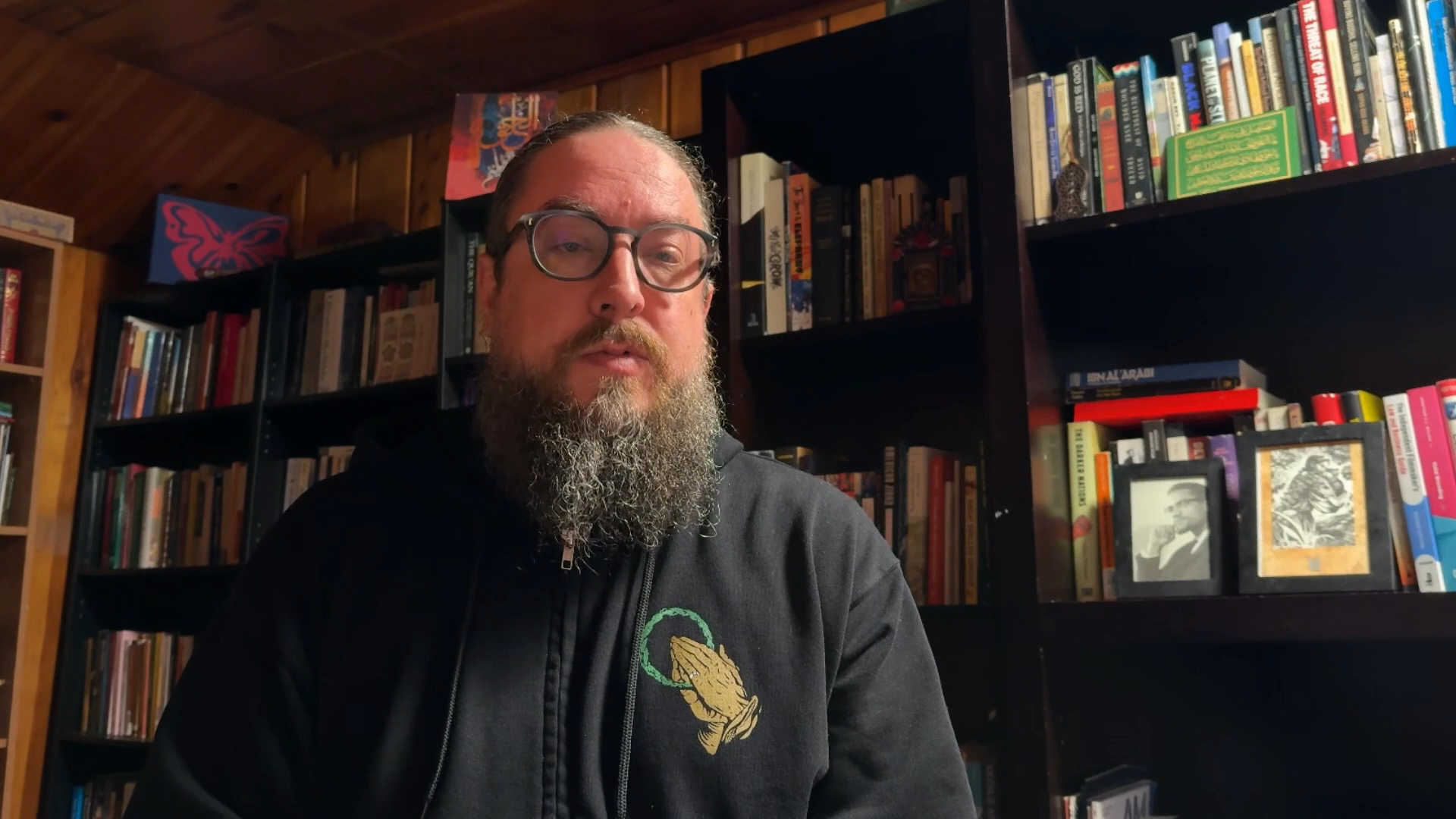
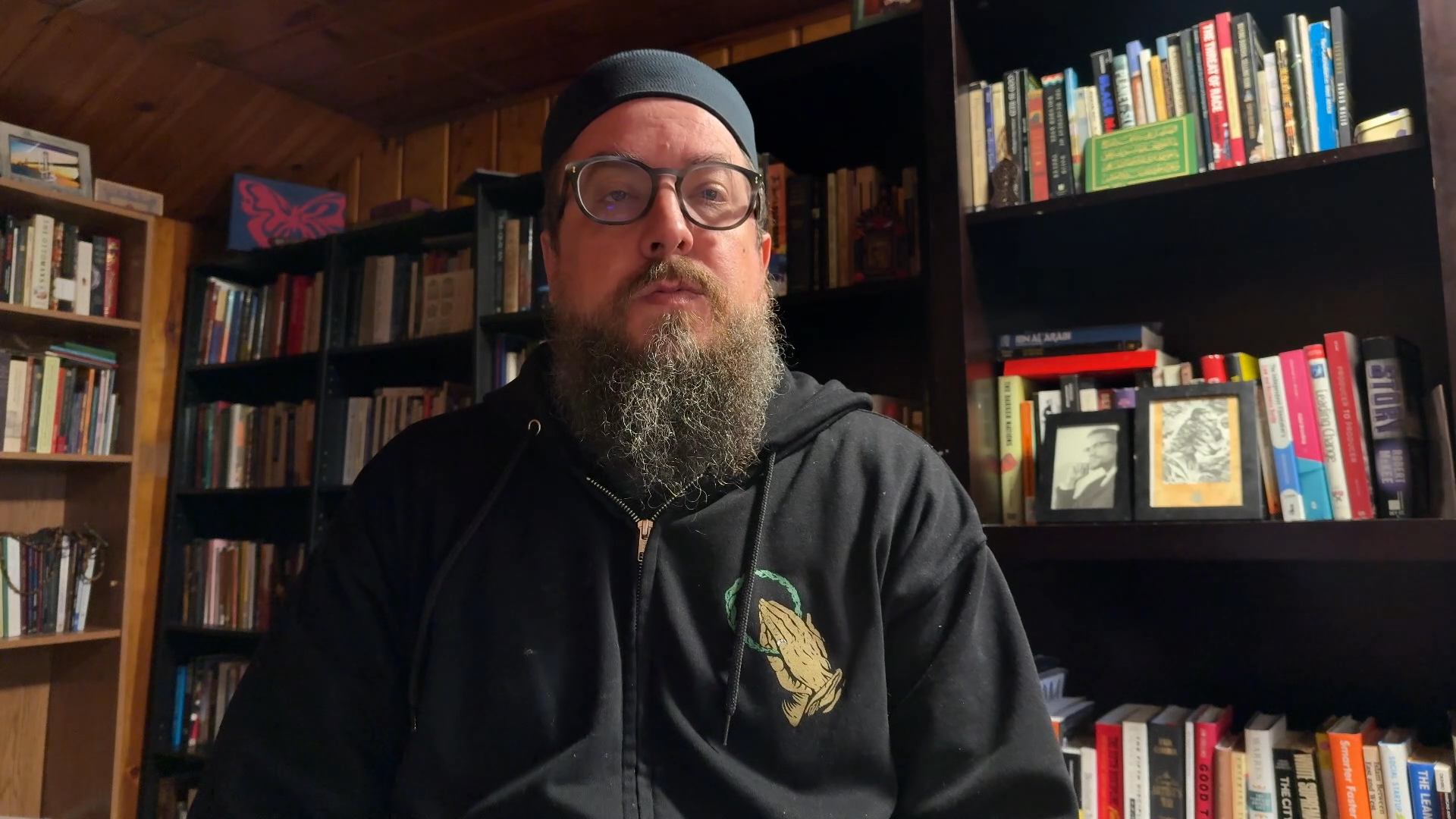
Dustin Craun - Building the Global Muslim Future
Imam Khalid Latif - A Prayer for our Future
Ismahan Abdullahi - A Future Beyond Bans
Dr. Hatem Bazian - The Future of Palestine
Nahela Morales - A Future for our Refugee Communities
Maryam Kashani - A Future Without Prisons
Mokhtar Alkhanshali - The Future of Yemen & Coffee
Peter Gould - The Future of Heart-Centered Design
Towards our Global Muslim Future
Today global Muslim communities are known primarily through the singular narrative produced through media and cultural production, of terrorism, war, Islamophobia, and the global refugee crisis with media and academic institutions focusing on Arab Muslims who make up only 15-20% of global Muslim populations. Nearly 70% of the world’s Muslims live in Asia and Africa yet in terms of popular representation the uniquely diverse Muslim populations across the world have very little representation. Muslims are unique as a multi- civilizational community with large diasporas of peoples all around the world. With large populations in Southeast Asia, South Asia, throughout the north, east, and west Africa, with large populations across the middle east and eastern Europe, and with large minority populations in Europe, the Americas, and East Asia.
Over the next 50 years, our world will see unprecedented change with more than 70% of humanity is expected to live in urban areas, as global power will continue to shift to Asia. Technology will play an ever-increasing role in our daily lives and climate change will impact our world in ways that we cannot fully predict. The landscape of religious communities will also change rapidly over the coming half-century as global Muslim populations will grow from an expected population of 2 billion in 2020 to over 3 billion people by 2070, making Islam the largest religion in the world for the first time.
Muslims have created unique global networks that despite great differences across communities, have historically shown strong solidarities most explicitly represented in the life and legacy of Malcolm X’s global vision of Islam, what Sohail Daulatzai calls the “Muslim International.” This international collective of global Muslim life is a call to global solidarity amongst Muslims and with peoples throughout the world who face similar forms of oppression. As Daulatzai clearly states,
“Malcolm forced and compelled the Muslim International to be a broad and inclusive space that understands the overlapping histories and interconnected struggles that not only shaped the modern world but that also shaped the conscience of the Muslim International as a site for radical justice and equality.”
Today Muslim communities face oppression and are building resistance movements both within Muslim majority countries, as well as throughout the US, Europe, and Australia. This reality of overlapping countries where Muslims make up large minority diasporic populations and global spaces of social impact, political, and artistic resistance is an emerging reality, that has been grossly understudied within the Muslim community or academic studies at large. Islamic studies departments in Western academia have never fully distanced themselves from their colonial roots within area studies and have primarily focused on lands that US and European military power were interested in.
As we launch the Center for Global Muslim Life in 2020 we are focused on a unique set of research on emergency response research to the global COVID-19 crisis, research focused on Muslim wellness, the 2020 election in the United States, emerging narrative infrastructure within Muslim communities.
The Center for Global Muslim Life is tasked with conducting key research on these issues as well as create convenings for academics, community leaders, and the media. We must take our narratives into our own hands to more fully understand these issues beyond the current scope of Muslims seen only in the light of terrorism and Islamophobia. Below is an outline of the core issues we will focus on in the coming years as we build out the Center for Global Muslim Life.